
Last updated September 24, 2026
Free in-home measure and quote - PGT, CGI and CWS impact lines compared on your actual openings, style by style
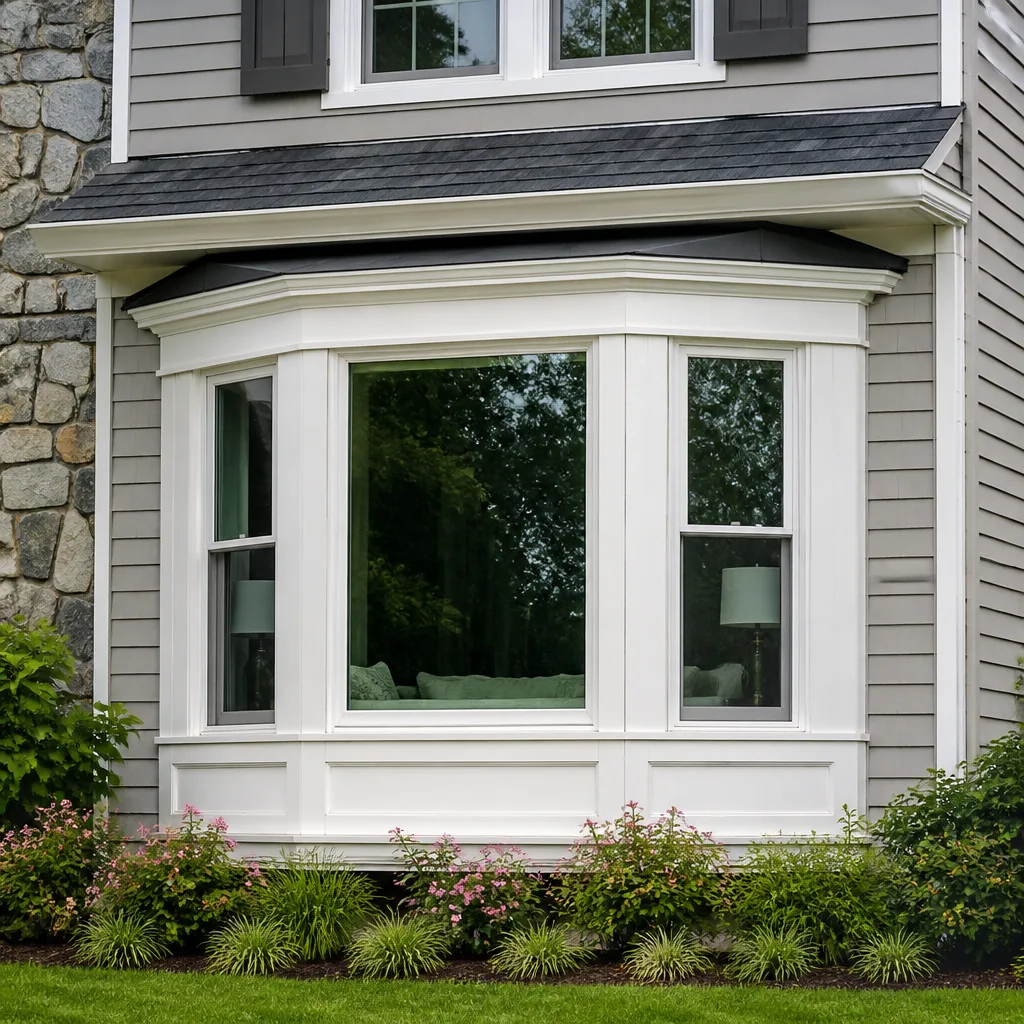
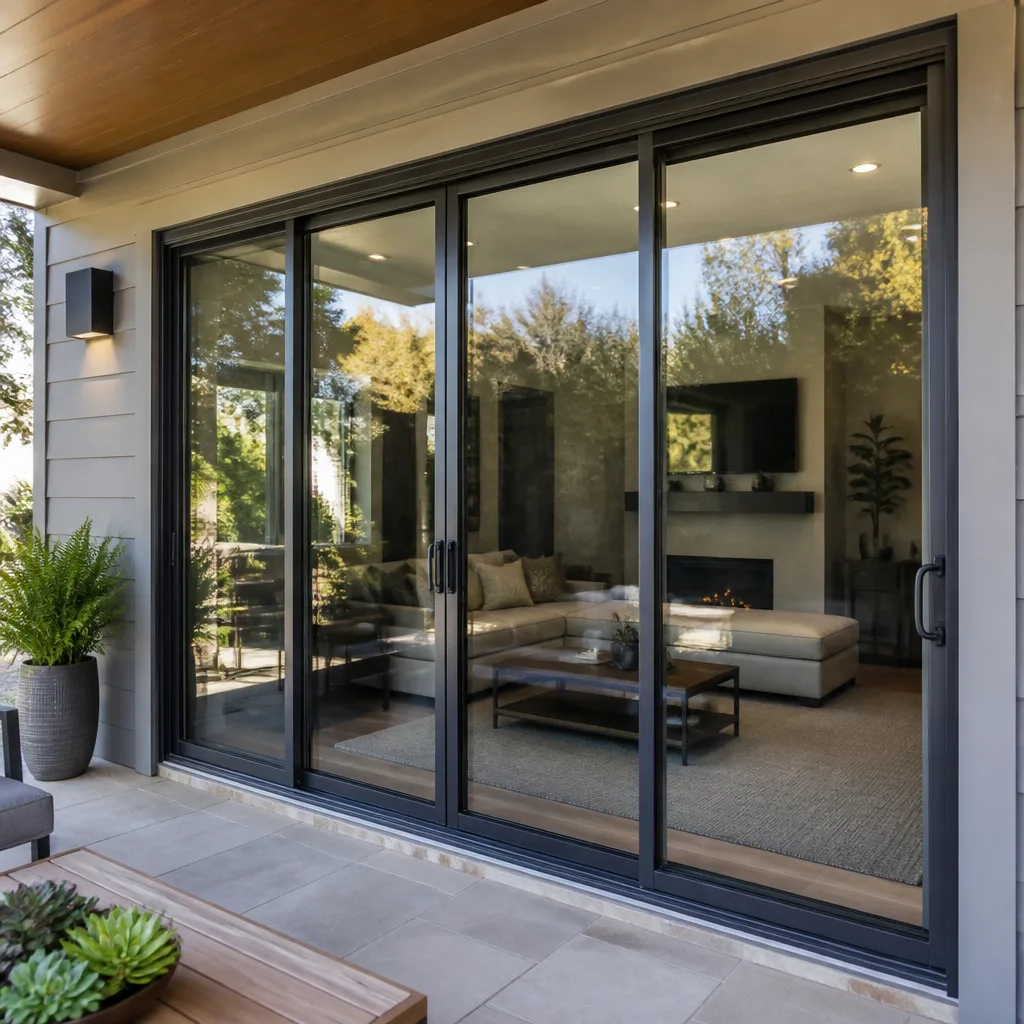
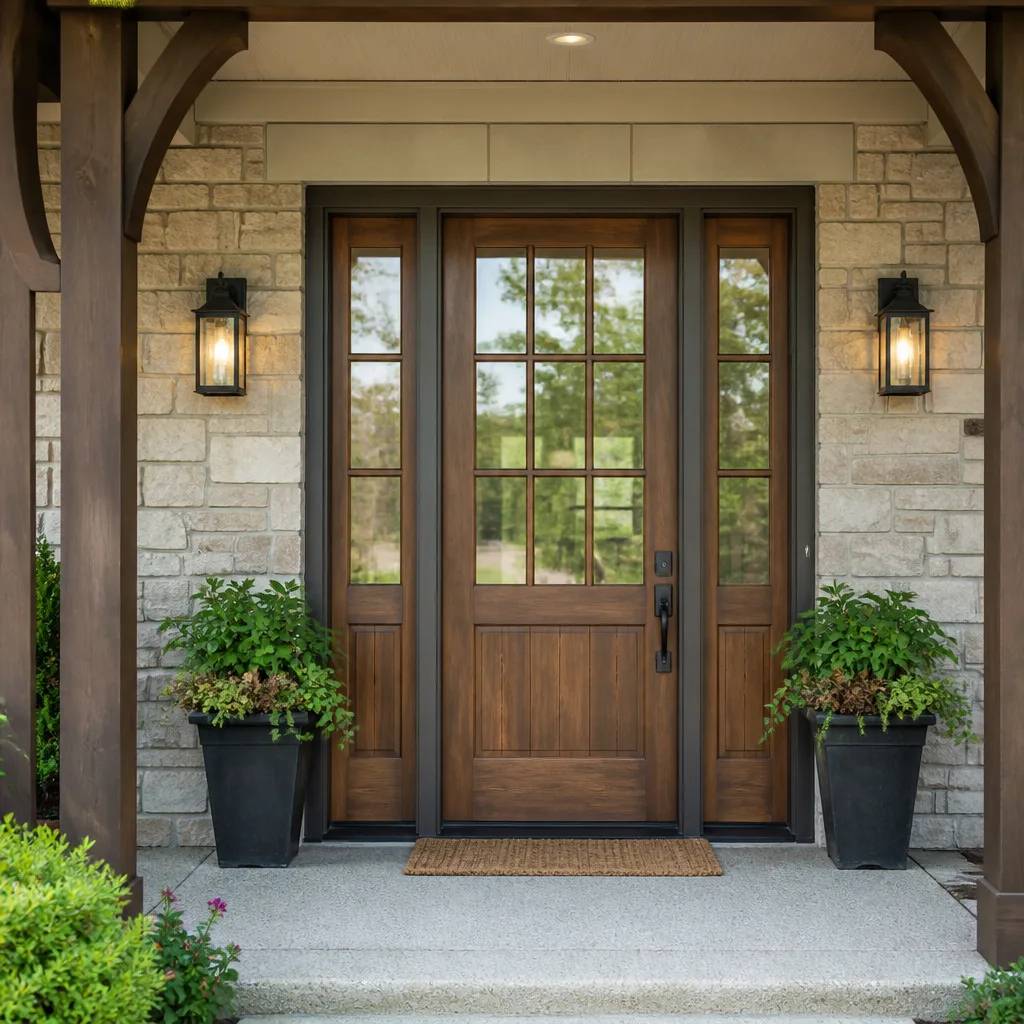
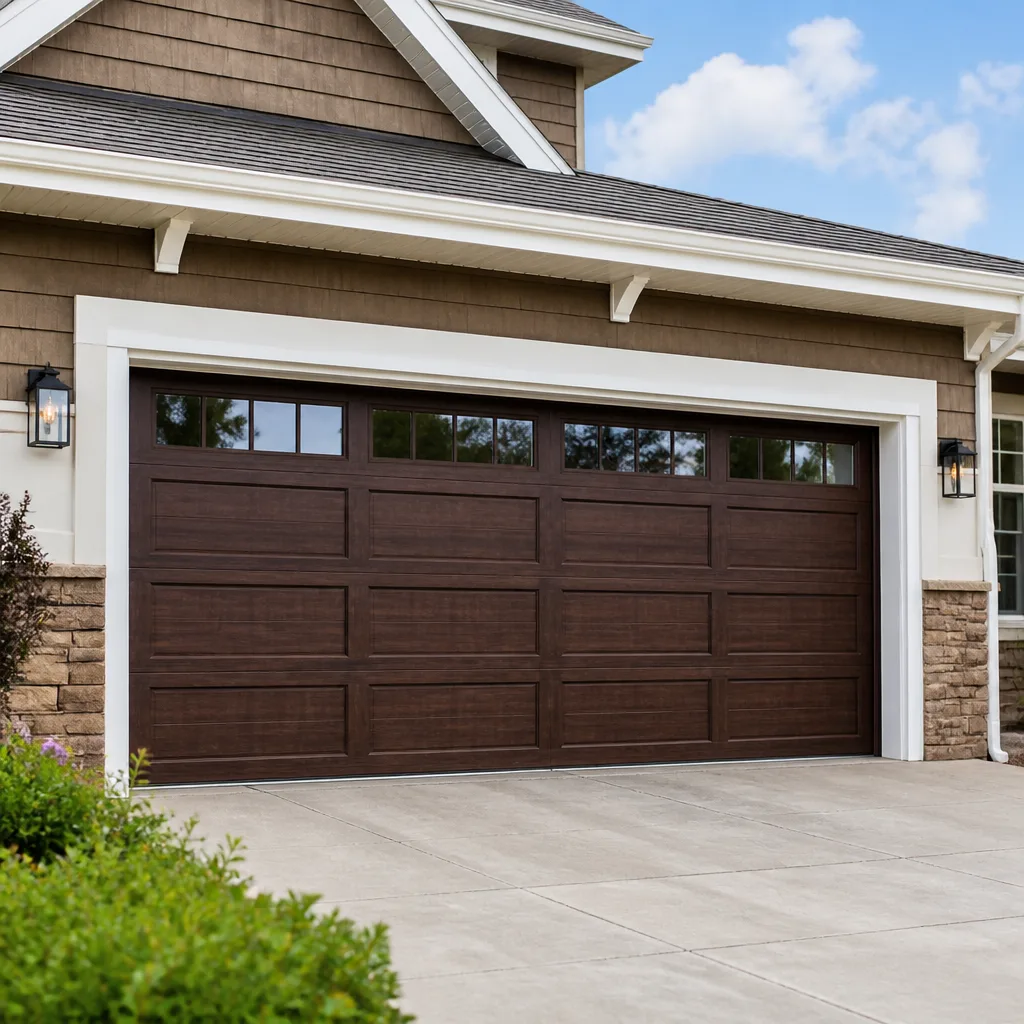
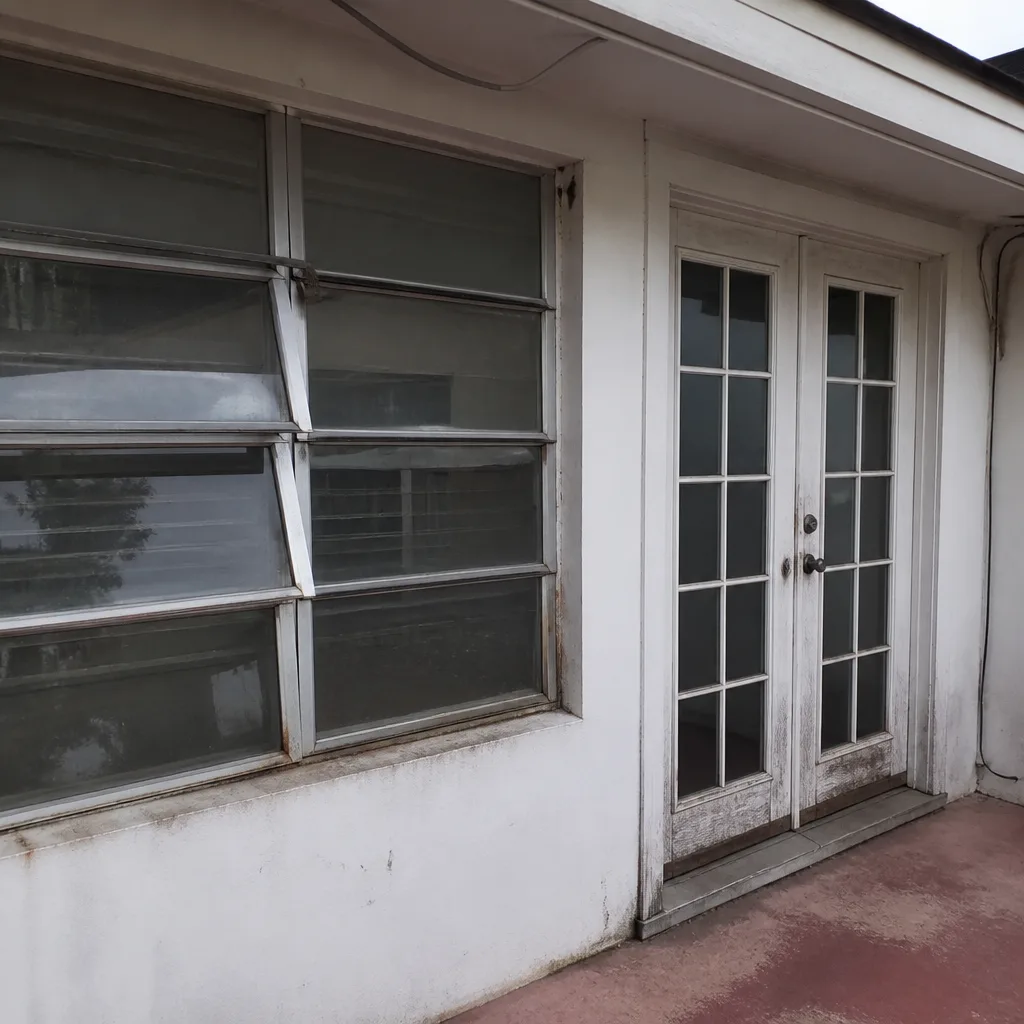 Before
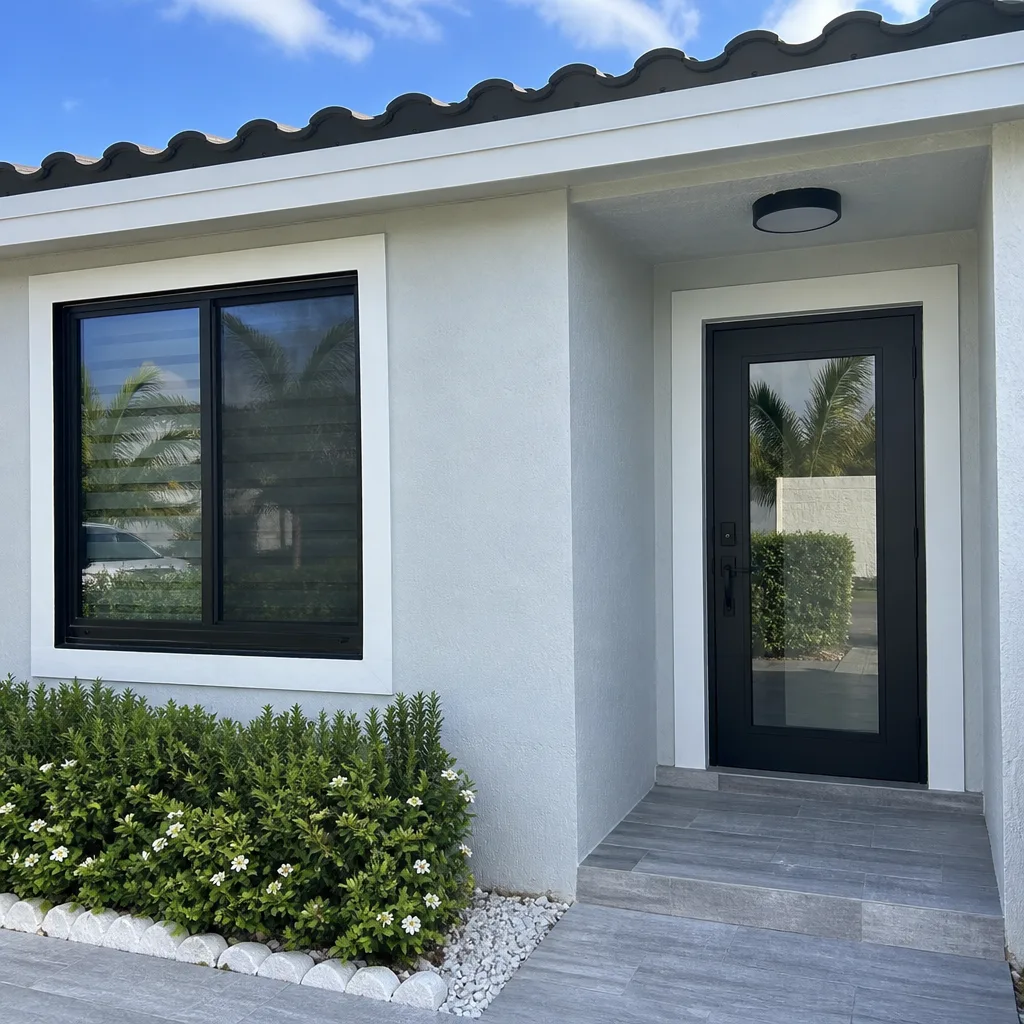 After
After Before
 After
After Before
 After
AfterDIY vs Professional Windows & Doors: The Hialeah Gardens Homeowner’s Decision Guide
Florida Statute 489.103 allows homeowners to act as their own contractor on their primary residence, but Miami-Dade County’s local amendment requires that the contractor of record for fenestration work hold a specific license classification. A homeowner who self-installs impact windows and attempts to pull their own permit in Hialeah Gardens will hit that wall at the application counter - after the product is already purchased. This guide breaks down the exact legal boundary between what you can do yourself and what Florida law requires a licensed professional to handle, the true cost of both paths, and how to read your own situation through four variables that produce a clear answer. For more guidance, explore our How to Hire a Windows & Doors Contractor in Hialeah Gardens: A Step-by-Step Guide.
Quick Answer
Most Hialeah Gardens homeowners cannot legally complete a window or door replacement without a licensed contractor, because Miami-Dade County requires a certified contractor’s license number on every fenestration permit application. Even under Florida’s owner-builder exemption, the permit itself must be pulled and closed by a properly licensed professional. The DIY path is legally viable only for preparatory work (interior trim removal, site protection, and finish carpentry) if you then hire a licensed contractor for the structural installation, permit, and inspection sequence.
Table of Contents
- Florida Owner-Builder Law vs. Miami-Dade Fenestration Requirements
- The Insurance Problem: Unpermitted Work and Your Wind Claim
- True Cost Comparison: DIY vs. Professional Installation
- What You Can Legally Do Yourself vs. What Requires a License
- The Four-Variable Decision Matrix
- Impact Windows in Hialeah Gardens: Why Complexity Matters
- Common Mistakes to Avoid
- When to Call a Professional
- Frequently Asked Questions
 Before
 After
AfterFlorida Owner-Builder Law vs. Miami-Dade Fenestration Requirements
Florida Statute 489.103(7) creates the owner-builder exemption: a homeowner can act as their own contractor on a single-family residence they occupy, provided they personally perform the work or hire licensed subcontractors for regulated trades. The statute seems straightforward. The Miami-Dade County amendment is not.
Under Miami-Dade County Code Section 8-11 and the Florida Building Code’s local amendments, fenestration work - defined as the installation, replacement, or modification of any window, door, or glazed opening - requires a permit pulled by a contractor holding either a Certified General Contractor (CGC) or Certified Building Contractor (CBC) license, or a Residential Contractor (RC) with specific fenestration endorsement. The homeowner’s name alone on the permit application will be rejected at the Miami-Dade Permitting and Inspection Center for work classified under Building Code Chapter 24, which covers exterior openings.
We’ve reviewed permit applications returned to Hialeah Gardens homeowners who attempted this exact path. The rejection stamp reads “Contractor license required - fenestration.” The homeowner is then left with product in their garage, a delivery deadline passed, and no legal path to installation.
The distinction matters for your planning. You can legally purchase your own windows. You can legally remove interior trim and prepare the opening. You cannot legally pull the permit for the structural installation, and without that permit, you cannot obtain the final inspection certificate required for occupancy and insurance compliance.
Three permit stages exist for every window or door replacement in Hialeah Gardens:
- Application and plan review: Requires licensed contractor signature and license number verification through the Florida Department of Business and Professional Regulation database.
- Rough inspection: Verifies fastening schedule, flashing integration, and structural attachment - performed only with the contractor of record present or represented by their authorized agent.
- Final inspection: Confirms operational function, emergency egress compliance, and impact rating documentation - closed only by the original permit holder.
A homeowner who begins as owner-builder and later attempts to transfer the permit to a licensed contractor faces a restart of the plan review process, typically adding 10-15 business days to a timeline that already runs 3-4 weeks in Miami-Dade’s current queue.
The Insurance Problem: Unpermitted Work and Your Wind Claim
This is where the DIY calculation turns from inconvenient to financially catastrophic. Citizens Property Insurance Corporation, which holds the majority of wind policies in Hialeah Gardens and across Florida, includes a standard policy condition: damage resulting from unpermitted structural modifications or uninspected building components may be excluded from coverage determination.
The language appears in Citizens form HO-3 04-2021 and subsequent editions, under Section I, Conditions, subsection “Concealment or Fraud.” Private carriers operating in Miami-Dade - including Tower Hill, Security First, and Universal Property & Casualty - maintain substantially similar exclusions. The specific trigger is not the quality of the installation. It is the absence of a permit and passed inspection certificate.
Consider the scenario. A homeowner in the Palm Springs neighborhood of Hialeah Gardens self-installs impact windows without permits. Hurricane season arrives. Wind-driven rain penetrates the rough opening, causing interior wall damage and mold growth. The adjuster requests permit history from Miami-Dade County’s online database. No permit exists for the window replacement. The carrier denies the water intrusion claim not because the window failed, but because the opening was never inspected for proper flashing integration - a code requirement verified only at rough inspection.
The homeowner’s recourse is limited. Florida’s Valued Policy Law does not override policy exclusions for unpermitted work. The cost of remediation, often $15,000-$40,000 for water and mold damage in a typical Hialeah Gardens single-family home, becomes entirely out-of-pocket.
Impact-rated windows carry additional documentation requirements. Florida Product Approval or Miami-Dade Notice of Acceptance (NOA) numbers must match the installed product exactly. A homeowner purchasing windows online or through a non-authorized distributor may receive product without the proper NOA documentation for their specific installation configuration - laminated glass thickness, frame anchoring method, and design pressure rating must all align with the permit plans. Licensed contractors in Hialeah Gardens maintain direct relationships with manufacturers like CGI and CWS to ensure NOA-to-opening matching; this is not a service available at retail.
True Cost Comparison: DIY vs. Professional Installation
The standard online comparison stops at product plus labor. The Hialeah Gardens homeowner needs a fuller accounting. We’ve prepared this based on actual costs observed across 18,000+ installations since 2012, adjusted for 2024-2025 Miami-Dade market conditions.
DIY Path - Single Window Replacement (typical 36″ x 60″ vinyl impact window)
- Window unit, NFRC rated, Miami-Dade NOA: $380-$520
- Freight to Hialeah Gardens (non-negotiable for single unit): $85-$140
- Tool rental or purchase (reciprocating saw, nail gun, level, caulk gun, flashing tools): $180-$340 for rental; $450-$780 for purchase
- Fasteners, flashing tape, sealants, shims: $65-$95
- Permit application preparation (plan drawing, product spec sheets, energy compliance form): 4-6 hours at homeowner’s time value
- Time value - homeowner labor at $35/hour (conservative for skilled professional who could otherwise work): 12-16 hours for first installation including research, purchase, installation, and inspection attempt
- Re-inspection fee when first attempt fails (60-70% first-time failure rate for unassisted installations): $125
- Potential cost of failed inspection remediation (flashing correction, fastener addition): $200-$400 in materials and repeated time
DIY Total: $1,035-$1,620 plus 16-22 hours, with permit barrier unresolved
The permit barrier remains: even with perfect execution, the homeowner cannot legally close this permit. The cost above assumes the homeowner later hires a licensed contractor to assume the permit - adding $400-$650 in contractor fees for permit assumption and re-inspection coordination, a service many contractors decline due to liability exposure for work they did not perform.
Professional Installation - Same Opening, Window Installation in Hialeah Gardens
- Window unit, specified by performance tier: included in scope
- Measured survey, written scope, and fixed-price quote: included - Haven Clause 1
- Permit application, plan review, and inspection scheduling: included
- Installation labor with verified, background-checked crew: included - Haven Clause 3
- Flashing integration, fastener schedule per NOA, and operational testing: included
- Final inspection passage and certificate of completion: included
- Documented photo record of before, during, and after: included - Haven Clause 4
- 365-Day Done Right Promise: included - Haven Clause 5
Professional Total: $890-$1,340, single visit, permit closed, warranty documented
The professional path costs less in most configurations when time is valued, eliminates the permit barrier entirely, and transfers inspection risk to the contractor. The DIY path saves money only if the homeowner’s time is valued at zero, the permit is somehow obtained (illegally or through a cooperative third party), and the installation passes inspection on first attempt - a combination that does not hold up in practice.
What You Can Legally Do Yourself vs. What Requires a License
The boundary is clearer than most homeowners assume. Florida law and Miami-Dade code specify three tasks that must be performed by or under the direct supervision of a licensed contractor:
- Structural attachment of the window or door unit to the building frame: This includes fastening through the jamb or fin into the rough opening framing, application of structural sealant or flashing tape that integrates with the weather-resistant barrier, and any modification to the rough opening dimensions requiring header or sill alteration.
- Permit application, plan preparation, and inspection coordination: The licensed contractor’s number must appear on the application, and the contractor of record must be available for inspection or designate an authorized agent with documented authority.
- Final operational testing and code compliance verification: Confirming egress operation, impact rating label presence, and energy performance documentation - tasks that, if performed by an unlicensed person, void the inspection certificate’s validity.
The homeowner can legally perform preparatory and finishing tasks that do not affect structural attachment or weather resistance:
- Interior trim removal and salvage or disposal
- Window treatment removal and reinstallation
- Interior site protection (drop cloths, furniture moving)
- Exterior landscaping protection within 3 feet of the opening
- Interior finish carpentry after final inspection: casing, stool, apron installation
- Paint and touch-up work on interior surfaces
In our experience across Hialeah Gardens, homeowners who handle preparation and finishing while contracting the structural installation reduce their quoted labor component by 15-25%. This is the viable hybrid path: you contribute sweat equity where legally permitted, and the licensed contractor handles what code and insurance require. For maintenance tips after installation, see our Seasonal Windows & Doors Care for Hialeah Gardens: Year-Round Homeowner’s Guide.
One caution. The line between “preparation” and “structural” blurs at the rough opening. Removing interior trim that extends to the window frame is preparation. Cutting into the window frame itself to accommodate a differently sized unit is structural modification requiring a contractor’s license. Homeowners uncertain of the boundary should request a written scope division from their contractor before work begins.
The Four-Variable Decision Matrix
We’ve developed this matrix from 12 years of Hialeah Gardens installations. Rate your project on each variable, sum the score, and read the recommendation.
| Variable | Low (1 point) | Medium (2 points) | High (3 points) |
|---|---|---|---|
| Permit Requirement | Interior door only, no structural modification | Exterior door replacement, same size | Any window, any impact-rated product, any size change |
| Insurance Risk | Non-impact area, no wind policy | Standard HO-3 with wind coverage | Citizens or coastal policy, mortgage-required coverage |
| Installation Complexity | Single ground-floor unit, standard size | Multiple units, second story, or custom size | Impact-rated, geometric, or integrated door-wall system |
| Opening Count | 1-2 openings | 3-8 openings | 9+ openings or whole-home replacement |
Score Interpretation:
- 4-5 points: Hybrid path viable. Handle preparation and finishing; hire licensed contractor for structural installation and permit.
- 6-8 points: Professional installation strongly advised. Permit complexity and insurance exposure outweigh any DIY savings.
- 9-12 points: Full professional scope required. Attempting DIY introduces legal, financial, and coverage risks that no cost savings justify.
A typical Hialeah Gardens home with 12 impact windows and 2 patio doors scores 10-12 points. A single interior bedroom door replacement scores 4-5. The matrix produces the clarity that generic advice cannot.
Impact Windows in Hialeah Gardens: Why Complexity Matters
Hialeah Gardens sits in Miami-Dade County’s High-Velocity Hurricane Zone, where the Florida Building Code requires impact-rated products for all exterior openings. This is not a product preference. It is a structural engineering mandate with installation requirements that differ substantially from standard windows.
Impact-rated windows from manufacturers like ES Windows and ECO Window Systems carry specific NOA documentation that prescribes:
- Fastener type, diameter, and embedment depth into concrete or wood framing
- Sealant bead placement and minimum thickness at frame-to-opening interface
- Flashing tape overlap dimensions and sequence (sill first, then jambs, then head)
- Maximum shim spacing and material restrictions (no composite shims in certain configurations)
A homeowner installing a standard window in another state might manage with basic carpentry skills. The same homeowner installing an impact window in Hialeah Gardens must execute a fastening and sealing sequence that, if deviated from, voids both the product warranty and the installation’s code compliance. The NOA is a legal contract between the manufacturer and Miami-Dade County; deviation is not a minor error but a code violation.
Climate factors compound this. Hialeah Gardens experiences 60-80 inches of annual rainfall, concentrated in summer months with wind-driven precipitation. The flashing integration that prevents water intrusion must accommodate both horizontal rain and the pressure differential created by wind gusts to 170 mph design pressure. This is not intuitive work. It is documented, sequenced, and verified through inspection.
We’ve documented photo records from Hialeah Gardens installations where previous DIY or unlicensed work showed correctly placed fasteners but omitted the required continuous sealant bead behind the nailing fin - a 3/8-inch gap that allowed capillary water migration and produced $8,000 in interior damage within two rainy seasons. The homeowner’s recourse was against the unlicensed installer, who carried no bond and had dissolved their business entity.
Common Mistakes to Avoid
- Assuming the owner-builder exemption covers permit pulling for fenestration. Florida Statute 489.103 does not override Miami-Dade’s local amendment requiring licensed contractor involvement; the exemption allows you to perform work, not to permit it.
- Purchasing impact windows without verifying Miami-Dade NOA status. Product sold online or through non-authorized channels may carry Florida Product Approval but lack the specific NOA required for Miami-Dade installation - a distinction that blocks permit approval.
- Removing old windows before confirming permit approval. Miami-Dade inspectors will not pass a rough inspection on an opening with no window installed; the sequence requires unit present, properly fastened, and flashed before inspection scheduling.
- Using interior trim carpentry skills as proxy for structural installation ability. Finish carpentry and structural weatherproofing are different trades; competence in one does not predict competence in the other, and the inspection tests only the latter.
- Failing to verify contractor license status before hiring for “permit assistance.” Some unlicensed installers offer to “handle the permit” through a third party; this arrangement violates Florida law and produces non-transferable inspection certificates.
- Neglecting to document the installation with photos before wall closure. Without photographic evidence of flashing and fastening, future insurance claims face documentation gaps - Haven Clause 4 exists precisely for this reason.
When to Call a Professional
Call a licensed contractor when your project involves any exterior window or door, any impact-rated product, any permit requirement, or any insurance policy with wind coverage. These conditions describe nearly every opening replacement in Hialeah Gardens.
The specific scenarios that eliminate DIY viability: impact-rated products (all exterior openings in Miami-Dade); second-story or higher installations; integrated door-wall or sliding systems; any project requiring rough opening modification; and any home with a mortgage or wind policy requiring permit documentation.
Sightline Windows & Doors Hialeah Gardens offers free estimates in Hialeah Gardens. Every estimate begins with a measured survey you keep, and the written quote is the same document that governs installation - Haven Clause 1. Call (786) 321-3812 to schedule your measured survey.
Frequently Asked Questions
You can physically install them, but you cannot legally permit or inspect them. Miami-Dade County requires a licensed contractor’s number on every fenestration permit application, and the final inspection certificate is required for insurance compliance and property sale. Call (786) 321-3812 for a free estimate - our written quote includes full permit handling.
Professional installation for a typical impact window runs $890-$1,340 including product, permit, and inspection, while DIY costs $1,035-$1,620 plus 16-22 hours with the permit barrier unresolved. The professional path typically costs less when time is valued and eliminates legal and insurance risks. Call (786) 321-3812 for an exact quote - estimates are free.
Citizens Property Insurance and most private carriers in Florida exclude damage resulting from unpermitted structural modifications. A wind or water claim involving an unpermitted window installation may be denied regardless of installation quality, because the absence of inspection documentation prevents verification of code compliance. The potential exposure - $15,000-$40,000 for typical water damage - far exceeds any DIY savings.
Yes, within defined boundaries. Homeowners can legally handle interior trim removal, site protection, and finish carpetry after final inspection. The structural installation, fastening, flashing integration, permit application, and inspection coordination must be performed by or under the direct supervision of a licensed contractor. This hybrid approach typically reduces quoted labor by 15-25%.
Check the license number through the Florida Department of Business and Professional Regulation online database at myfloridalicense.com. Verify the classification (CGC, CBC, or RC with fenestration endorsement) and confirm no current complaints or disciplinary actions. At Sightline, every technician arrives with license number visible on their uniform - Haven Clause 3.
You should receive: the final permit and inspection certificate; manufacturer warranty documents with NOA reference; a written workmanship warranty; and photographic documentation of the installation process. Use our Window Installation Maintenance Checklist for Hialeah Gardens Homeowners to track these items. Under the Haven Standard, Sightline provides all four on every job, with the photo record uploaded to your account within 48 hours of final inspection.
The Bottom Line
The DIY vs. professional question in Hialeah Gardens is not primarily about skill. It is about legal authority to permit and inspect, insurance consequences of unpermitted work, and the true cost of time valued honestly. For most homeowners, the hybrid path - preparation and finishing by the homeowner, structural installation and permit by a licensed contractor - represents the only cost-effective approach that does not expose them to permit rejection, claim denial, or failed inspection. For impact-rated products, whole-home projects, or any opening on a home with wind coverage, full professional installation is the only rational choice. Browse more guides & resources to help plan your project.
Call (786) 321-3812 to schedule your free measured survey. You’ll receive a written price before any work starts, and that document will be the same one we use for installation - Haven Clause 1, unchanged since 2012.
Written by Sonia Raman, Owner at Sightline Windows & Doors Hialeah Gardens, serving Hialeah Gardens since 2012.