
Last updated September 24, 2026
Free in-home measure and quote - PGT, CGI and CWS impact lines compared on your actual openings, style by style
 Before
 After
After Before
 After
After Before
 After
AfterWindows & Doors Permits, Codes & Inspections in FL: What You Need to Know
Florida has over 400 local building departments, and Miami-Dade is the only county in the state that maintains its own product approval system independent of the state’s Florida Product Approval database. A window approved by the state but not by Miami-Dade cannot be legally installed in Hialeah Gardens. This dual-track system catches out-of-county contractors regularly, and homeowners bear the cost when permits fail inspection. In this guide and our Complete Guide to Windows & Doors in Hialeah Gardens, we’ll walk through both tracks specifically as they apply to Hialeah Gardens permits processed through Miami-Dade County’s Building Department: what documentation you need, how to verify your products, what inspections actually check, and the specific consequences of skipping permits under Florida Statute 553.
Quick Answer
Window and door installations in Hialeah Gardens require Miami-Dade County permits, Miami-Dade Notice of Acceptance (NOA) product approval, and two inspections (rough opening and final). The permit process typically takes 10-15 business days for review, and unpermitted work can void your title insurance and trigger code enforcement penalties under Florida Statute 553.79.
Table of Contents

- Florida’s Dual-Track Approval System: State vs. Miami-Dade
- The Miami-Dade NOA Database: How to Search and Verify
- Permit Application Documents for Hialeah Gardens
- The Two Required Inspections: What Inspectors Actually Check
- Common Causes of Failed Inspections and Re-Inspection Fees
- Unpermitted Work: Title and Insurance Consequences
- Permit Timeline Benchmarks and Delay Factors (2024-2025)
- What to Verify Before Hiring a Window or Door Contractor
 Before
 After
AfterFlorida’s Dual-Track Approval System: State vs. Miami-Dade
Every window and door installed in Hialeah Gardens must satisfy two separate approval authorities. Most Florida counties rely solely on the Florida Product Approval system administered by the Florida Department of Business and Professional Regulation. Miami-Dade County does not. It maintains the Notice of Acceptance (NOA) program, which runs parallel to and often exceeds state requirements.
The practical effect: a PGT or CGI impact window carrying Florida Product Approval may still lack Miami-Dade NOA. Installing it in Hialeah Gardens violates Miami-Dade County Code Section 8-6, even if the product is technically superior to its NOA-listed equivalent. We’ve reviewed competitor quotes where the specified product held state approval only-the exact warning signs Hialeah Gardens homeowners should watch for. The homeowner would have discovered this at inspection, after the window was already in the opening.
The distinction matters most for impact-rated products. Miami-Dade’s NOA program originated after Hurricane Andrew and incorporates large-missile impact testing, cyclic wind-pressure loading, and water-infiltration protocols that predate current state standards. Some manufacturers pursue both approvals. Others, particularly newer entrants or specialty fabricators, obtain state approval and assume it suffices statewide. It does not in Hialeah Gardens.
For homeowners, the verification step is straightforward but rarely explained. Ask your contractor for the NOA number for each product specified. Then confirm it yourself in Miami-Dade’s online database. We’ll cover exactly how in the next section.
The Miami-Dade NOA Database: How to Search and Verify
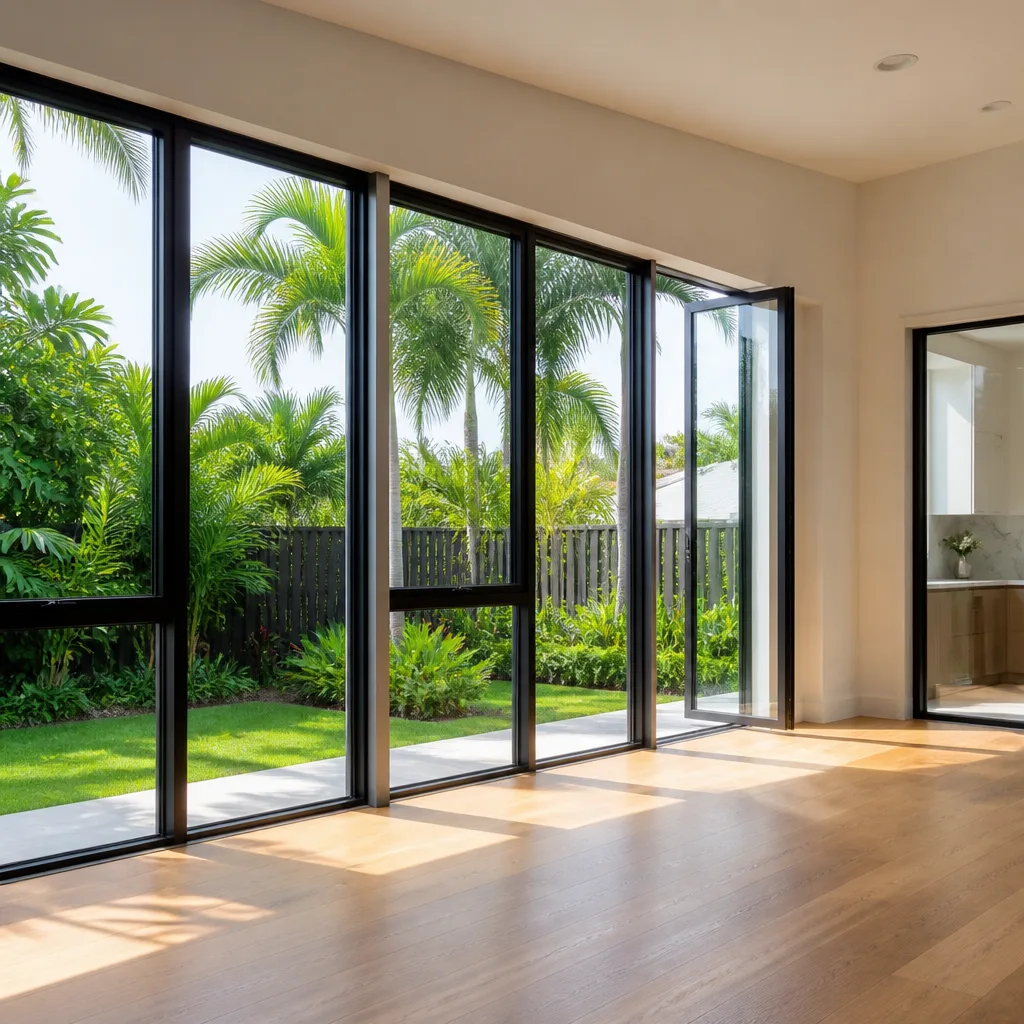
Miami-Dade County maintains a searchable NOA database at miamidade.gov/building. The search function accepts manufacturer name, product category, or NOA number. For window and door installations in Hialeah Gardens, you need the specific NOA that matches your product’s size, configuration, and performance rating.
Here’s how to cross-reference a contractor’s specification against the database:
- Request the written quote with NOA numbers listed per line item. Haven Clause 1 requires this documentation at our company; any contractor should provide it.
- Navigate to the NOA search portal and select “Product Control Search.”
- Enter the NOA number exactly as written, including any revision suffix (e.g., NOA 18-0723.04).
- Verify four data points match your specification: product description, maximum size tested, design pressure rating, and expiration date.
- Download the PDF and save it with your permit documents. Inspectors may request the full NOA at either inspection.
The revision suffix matters. Manufacturers update NOAs for design changes, expanded size ranges, or renewed testing. An NOA 18-0723.03 may not cover the same configurations as 18-0723.04. We’ve seen contractors cite an outdated NOA revision that no longer includes the specified window size. The product fails inspection. The homeowner pays for re-inspection and potential product replacement.
Some manufacturers, including PGT and CGI, maintain current NOAs across broad product lines. Others, particularly custom or geometric window fabricators, may have limited Miami-Dade coverage. ViewLux, for instance, holds select NOAs for impact-rated configurations but not for every size and glazing option. The database tells you exactly which combinations are approved. If your contractor specifies a product without confirming NOA coverage, that’s a red flag before permit application.
For window installation in Hialeah Gardens, we specify products by NOA number in our written quotes. The measurement document and the quote are the same paper. The NOA verification happens before permit submission, not after installation.
Permit Application Documents for Hialeah Gardens
Hialeah Gardens falls under Miami-Dade County’s unincorporated building jurisdiction. Permits for window and door replacement are processed through the Miami-Dade Building Department, not a separate city office. The application requires specific documents that many homeowners and some contractors assemble incorrectly.
Required documents for a standard window or door replacement permit:
- Permit application form (MD-BLD-001), signed by the property owner or authorized agent
- Owner authorization form if the contractor submits on the owner’s behalf
- Contractor license verification - active Florida Certified Building Contractor or Residential Contractor license, with Miami-Dade County business tax receipt
- Permit drawings showing existing and proposed conditions, with window/door schedules
- Product approval documentation - Miami-Dade NOA for each product, or Florida Product Approval with Miami-Dade acceptance letter
- Energy compliance documentation - Fenestration Certificate or NFRC label documentation showing U-factor and SHGC ratings
- Notice of commencement for jobs exceeding $2,500
- Proof of insurance - general liability and workers’ compensation
The permit drawings trip up many applications. Miami-Dade requires scaled drawings showing each opening’s location, dimensions, and relationship to property lines. For Hialeah Gardens homes built between 1950 and 1990, original as-built drawings often don’t exist. We measure each opening in the field, produce CAD drawings, and submit them with the permit package. The measured survey the customer keeps becomes the basis for both the permit drawing and the written quote.
Energy compliance documentation is frequently overlooked. Florida’s Energy Conservation Code requires windows to meet maximum U-factor and Solar Heat Gain Coefficient (SHGC) thresholds. The specific values depend on your climate zone. Hialeah Gardens sits in Climate Zone 1, the hottest category, with the most stringent SHGC requirements. A window with excellent impact ratings but excessive SHGC fails code compliance. We specify products from our eight manufacturer lines - PGT, CGI, CWS, ES Windows, ECO Window Systems, Mr-Glass, Therma-Tru, and ViewLux - by performance tier, with U-factor and SHGC documented on the quote before permit submission.
The Notice of Commencement requirement triggers at $2,500, which covers nearly all window and door replacements in Hialeah Gardens. This document, recorded with the Miami-Dade Clerk of Courts, protects lien rights and establishes the project start date. Missing or incorrectly recorded Notices of Commencement delay permit issuance.
The Two Required Inspections: What Inspectors Actually Check
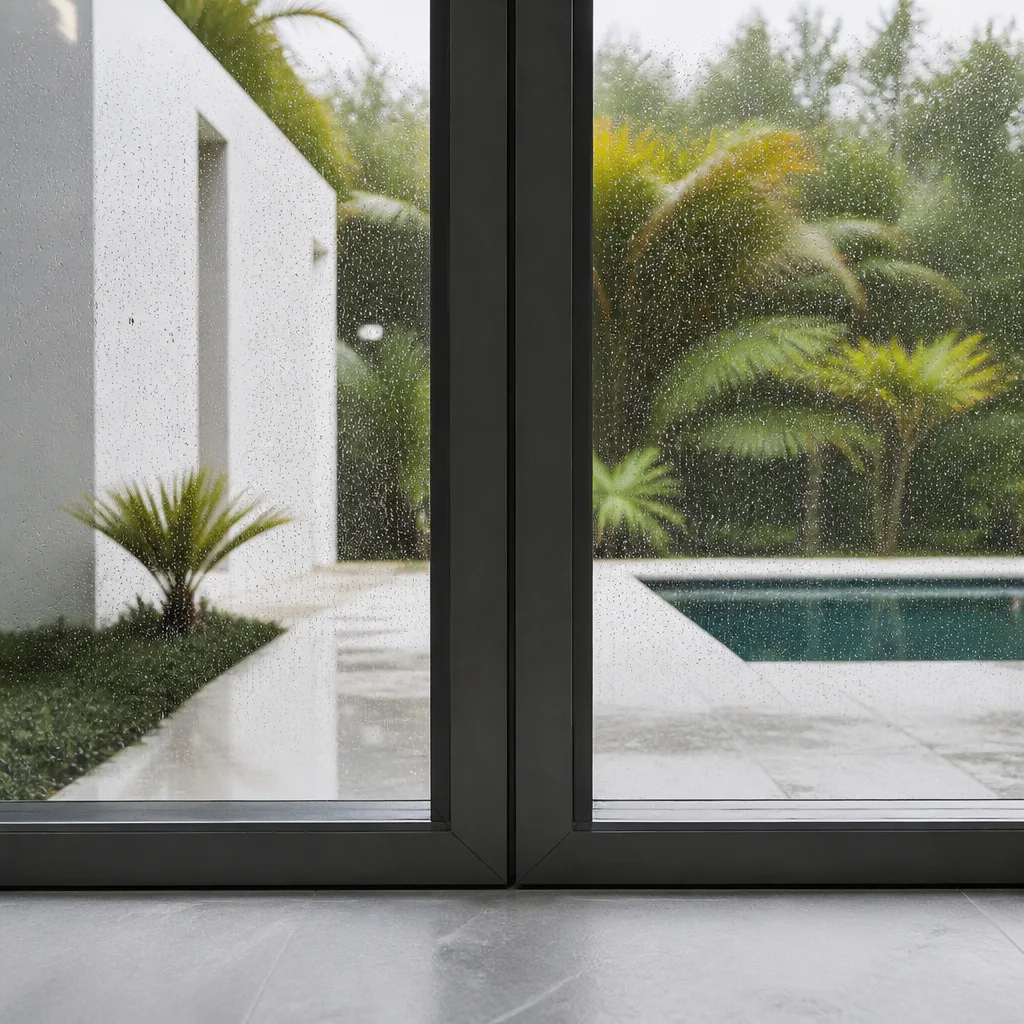
Miami-Dade County requires two inspections for window and door replacements: rough opening inspection and final inspection. Each has specific checkpoints that, if failed, require correction and re-inspection at additional cost.
Rough Opening Inspection
This inspection occurs after the existing window or door is removed and the opening is prepared, but before the new product is installed. The inspector verifies:
- Opening dimensions match permit drawings within allowable tolerances
- Structural framing is intact, with no rotted or compromised members
- Flashing and weather-resistive barrier integration is correct per NOA details
- Anchor and fastening schedule matches the NOA specification for design pressure
- Sill pan or sloped sill construction drains outward
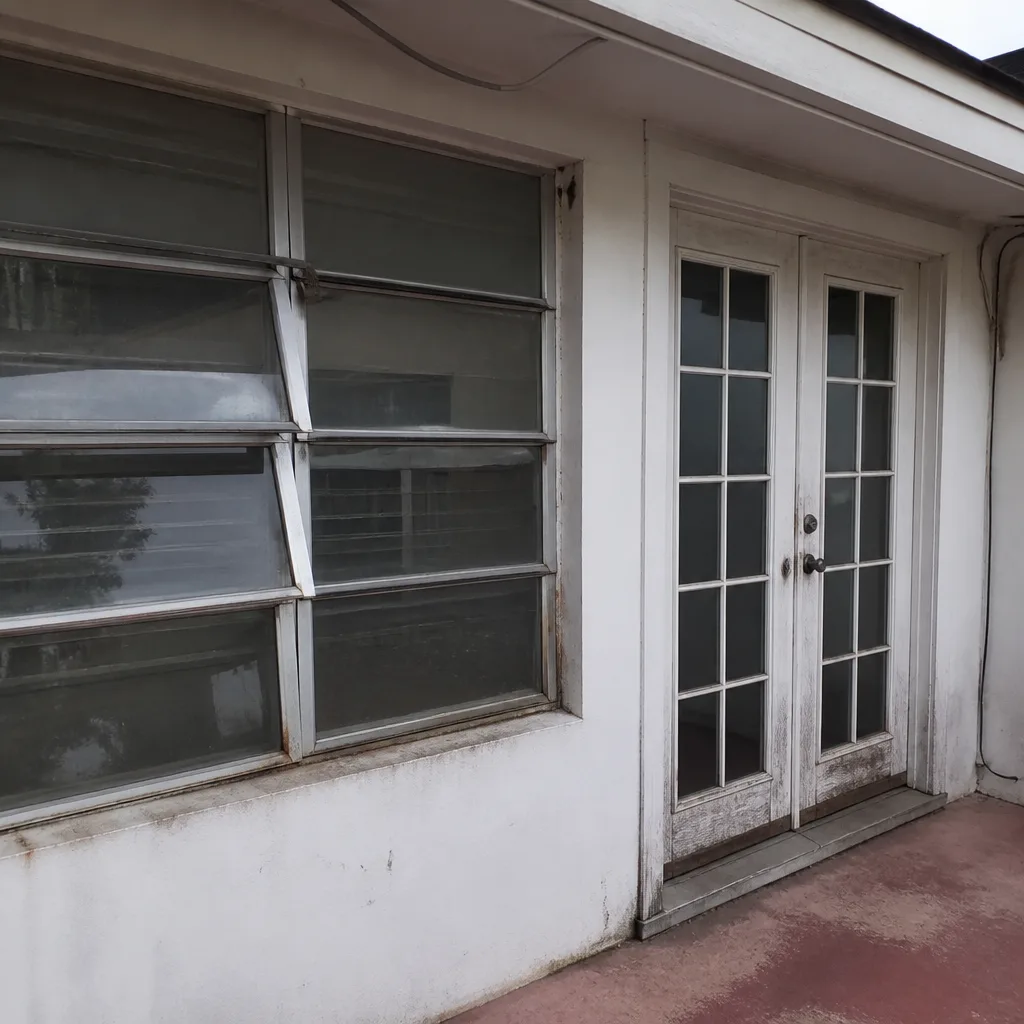
In Hialeah Gardens, we see rough opening failures most often on homes with original jalousie windows or aluminum sliders from the 1960s-1970s. The existing framing was never designed for modern impact-rated units, which weigh substantially more and require more fasteners. The wood framing may need reinforcement, or the stucco return may need modification. We identify these conditions during our measured survey and document them in the written scope. Contractors who price from photos or phone descriptions discover them at rough inspection, with the opening exposed to weather.
Final Inspection
This inspection occurs after installation is complete. The inspector verifies:
- Installed product matches NOA description and permit schedule exactly
- NFRC label is present and legible, with ratings matching energy compliance documentation
- Operable units function correctly - latches engage, sashes lock, thresholds seal
- Impact-rated products have required impact labels visible
- Exterior sealant and finish details match NOA installation instructions
- Interior trim and finish are complete, with no exposed fasteners or incomplete closures
The NFRC label check is critical and frequently failed. The label must be legible, not painted over or removed. The ratings must match the documentation submitted with the permit. We’ve seen installations where the factory applied the wrong label, or where the label was damaged during installation. The product is correct. The paperwork matches. But the label fails inspection. We photograph every NFRC label during our pre-installation product check, before the unit leaves our warehouse. Evidence on every job, per Haven Clause 4.
Common Causes of Failed Inspections and Re-Inspection Fees
Miami-Dade County charges re-inspection fees when either inspection fails. As of 2024-2025, the re-inspection fee for residential window and door inspections is $94 per occurrence. Multiple failures on the same inspection type trigger additional fees. More significantly, each failure extends the project timeline by 3-5 business days minimum, as re-inspections must be scheduled through the county’s online portal.
Specific failure causes we observe in Hialeah Gardens:
- NOA-product mismatch. The installed unit differs from the NOA in size, glazing thickness, or reinforcement. Often traceable to a contractor substituting “equivalent” product when the specified item was backordered.
- Improper fastening. Impact-rated products require specific fastener type, spacing, and embedment depth into structural framing. Using standard masonry anchors in place of the NOA-specified Tapcon or sleeve anchor fails inspection.
- Missing or incorrect flashing. Miami-Dade’s wind-driven rain exposure requires pan flashing at sills and head flashing integrated with the weather-resistive barrier. Caulk in place of flashing fails.
- Energy label discrepancies. The NFRC label ratings differ from the permit documentation, or the label is illegible. This occurs with custom-ordered products where the factory built to outdated specifications.
- Structural modification without engineering. Enlarging an opening or combining two windows into one requires structural calculations stamped by a Florida-licensed engineer. Permit drawings showing modified openings without engineering documentation fail rough inspection immediately.
- Contractor license issues. The licensed contractor listed on the permit was not present for inspection, or the qualifier has changed since permit issuance. Miami-Dade verifies license status at each inspection.
Our documented photo record on every visit captures pre-installation conditions, product labels, fastening details, and completed work. If an inspector questions any element, we produce the photograph with timestamp and GPS data. Haven Clause 4: Evidence on every job. This documentation has reversed incorrect failure determinations and avoided re-inspection fees.
Unpermitted Work: Title and Insurance Consequences
Florida Statute 553.79 makes unpermitted construction a violation of state law, with penalties enforced at the county level. Miami-Dade County Code Section 8-6 authorizes code enforcement action, including fines up to $10,000 per violation and orders to remove or correct unpermitted work. For Hialeah Gardens homeowners, the consequences extend beyond county enforcement into title and insurance domains that many contractors don’t discuss.
Title Consequences
Unpermitted window and door replacements must be disclosed on Florida’s standard seller’s disclosure form. Failure to disclose known unpermitted work exposes the seller to post-closing liability. More critically, title insurance underwriters increasingly exclude coverage for unpermitted improvements discovered after closing. If a buyer’s title search reveals unpermitted work that the seller failed to disclose, the title insurer may decline to defend against subsequent claims. The seller retains personal liability.
We’ve reviewed transactions where unpermitted window replacements from five years prior surfaced during a refinance appraisal. The appraiser flagged the work. The lender required permits and inspections before closing. The homeowner paid rush permit fees, expedited inspection scheduling, and potential code upgrade requirements that didn’t exist when the work was originally done. The original contractor was out of business.
Insurance Consequences
Florida homeowners insurance policies contain provisions allowing insurers to deny claims for damage attributable to unpermitted improvements. The logic: unpermitted work was not verified to code and may have contributed to the loss. After Hurricane Irma, several insurers denied window-failure claims where the replacement windows lacked proper NOA documentation. The homeowner had paid for impact-rated product but received non-rated substitutions. Without permits and inspections, there was no verification chain.
For window replacement in Hialeah Gardens, we pull permits on every job, pass both inspections, and provide the customer with final inspection approval documentation. This paper trail protects resale value, insurability, and legal compliance.
Permit Timeline Benchmarks and Delay Factors (2024-2025)
Miami-Dade County’s permit review times for residential window and door replacements averaged 10-15 business days in 2024-2025, based on our tracking of permit submissions. This is the review period only; it excludes time to prepare and submit the application. Total elapsed time from contract signing to approved permit typically runs 3-4 weeks in our Hialeah Gardens projects.
The county offers expedited review for an additional fee, reducing review to 5 business days. We rarely recommend it. The standard timeline allows adequate time for product ordering, which typically exceeds permit review duration for standard sizes. Custom or geometric windows from manufacturers like ViewLux or specialized PGT configurations may require 6-8 weeks production. The permit is ready before the product arrives.
Two submission details cause the majority of review delays:
- Incomplete or inconsistent product documentation. When the NOA, energy certificate, and permit drawings specify different products or ratings, the reviewer issues a correction notice. The application returns to the queue. We’ve seen this occur when contractors copy-paste product data from previous jobs without verifying current NOA revisions.
- Incorrect property identification. Miami-Dade’s permit system links to the Property Appraiser’s database by folio number. Errors in folio number, property address, or owner name create matching failures that stall review until corrected. This is particularly common in Hialeah Gardens subdivisions where street addresses were renumbered or where unit designations (A, B, C) are omitted.
Our measured survey includes folio verification and property boundary confirmation. The permit application is checked against the Property Appraiser’s record before submission. This step adds one business day to our internal process and eliminates the most common delay factor.
Inspection scheduling adds 2-3 business days after permit approval. Miami-Dade uses an online scheduling system with morning and afternoon windows. We schedule rough inspection before product delivery, ensuring the opening is ready when the unit arrives. Final inspection follows within 48 hours of installation completion. Our 18,000+ installations since 2012 have established scheduling patterns that minimize downtime between inspections.
What to Verify Before Hiring a Window or Door Contractor
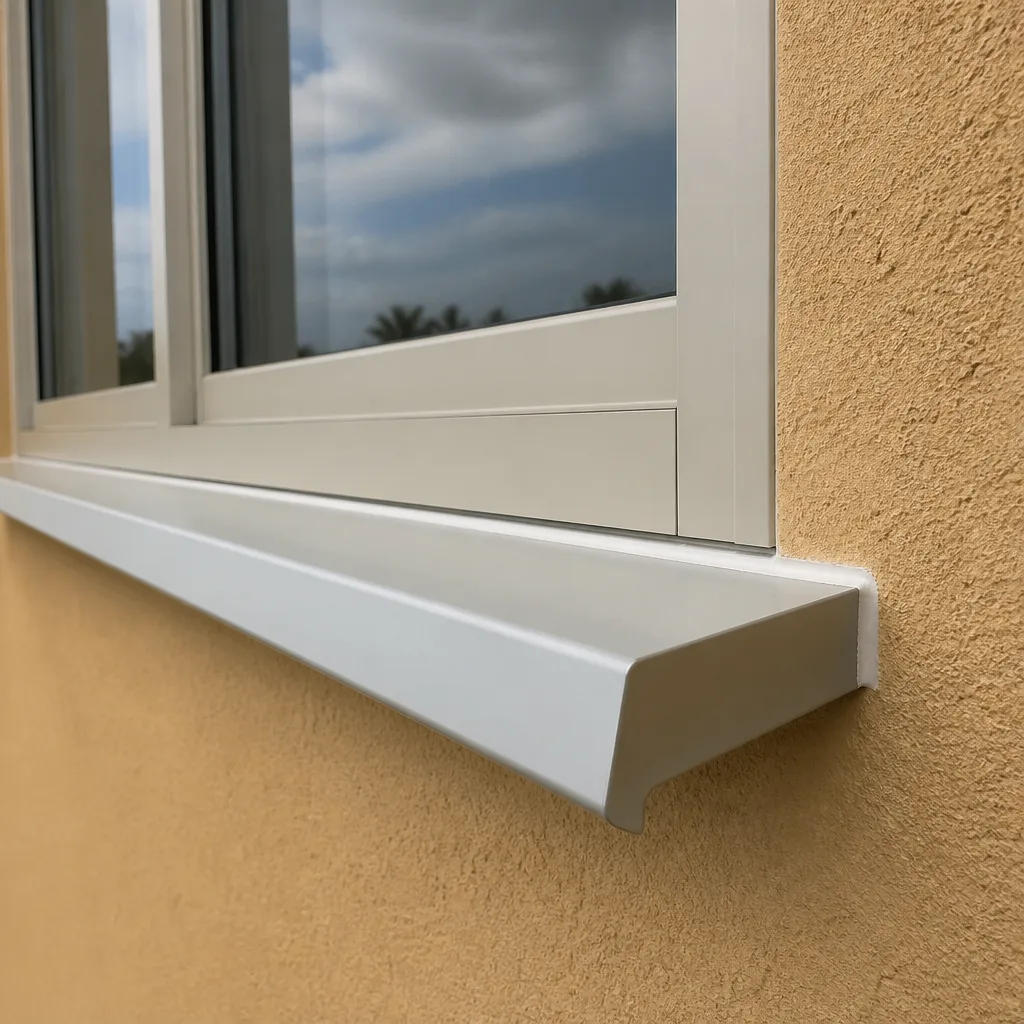
The permitting and inspection process reveals contractor competence before work begins. These verifications protect Hialeah Gardens homeowners from the most common failure modes, as covered in our DIY vs Professional guide:
- Verify active Florida contractor license at myfloridalicense.com. Confirm the license classification covers window and door installation (Certified Building Contractor CBC or Residential Contractor CRC). Check for current complaints or disciplinary actions.
- Request NOA numbers for every product specified and verify them independently in Miami-Dade’s database. A contractor who resists this step or claims “all our products are approved” without specifics is operating on hope, not documentation.
- Confirm permit inclusion in the written scope. The quote should state clearly whether permits, fees, and inspections are included or excluded. Haven Clause 1: Have it in writing. Our quotes itemize permit costs separately so the customer sees exactly what the county charges versus what we charge.
- Ask about inspection scheduling and attendance. Will the contractor meet the inspector? Who corrects deficiencies if found? We attend every inspection with the documented photo record and the original measured survey.
- Request proof of insurance with Miami-Dade County listed as certificate holder. General liability and workers’ compensation are mandatory for permit issuance; verify they are current.
- Review the written warranty for permit-related coverage. Our 365-Day Done Right Promise covers correction of any inspection failure attributable to our specification or installation. We make it right. The promise is written into the Haven Standard, not offered as a courtesy.
For door installation in Hialeah Gardens, these verifications are equally critical. Impact-rated entry doors from Therma-Tru or sliding patio door systems from CGI carry specific NOA requirements and fastening schedules that differ from standard windows. The inspection checkpoints are similar, but the failure modes are distinct. A Therma-Tru impact entry door with incorrect hinge reinforcement or missing multi-point lock engagement fails final inspection even when the door itself is properly installed.
Common Mistakes to Avoid
- Assuming state approval equals Miami-Dade approval. Florida Product Approval and Miami-Dade NOA are separate systems. A product can hold one, both, or neither. Verify the specific approval required for your Hialeah Gardens address.
- Accepting verbal product substitutions. When a specified product is unavailable, some contractors install “equivalent” units without updating permits or NOA documentation. The equivalent may not be equivalent under Miami-Dade’s criteria.
- Neglecting the Notice of Commencement. This recorded document protects both owner and contractor. Missing it delays permit issuance and complicates lien rights if payment disputes arise.
- Installing before rough inspection. Miami-Dade prohibits this explicitly. Product installed before rough inspection approval must be removed for inspector access, at the owner’s expense.
- Discarding documentation after final inspection. Keep permits, NOAs, inspection approvals, and warranties for the property’s lifetime. These documents transfer with the property and support future insurance claims, refinances, and sales.
- Hiring unlicensed contractors for “minor” work. Any window or door replacement affecting structural integrity, energy compliance, or impact protection requires a licensed contractor and permit. The handyman who “does windows on the side” cannot pull permits and leaves the owner exposed.
When to Call a Professional
Call a licensed contractor when your project involves impact-rated products, structural opening modification, or any work requiring Miami-Dade permits. The dual-track approval system is not intuitive, and the cost of error exceeds the cost of professional guidance. Sightline Windows & Doors Hialeah Gardens offers free estimates in Hialeah Gardens. Every estimate includes a measured survey you keep, written product specifications with verified NOA numbers, and a fixed price before any work starts. Call (786) 321-3812 to schedule your survey.
Frequently Asked Questions
Yes. Any window replacement in Hialeah Gardens requires a Miami-Dade County building permit, Miami-Dade NOA product approval, and two inspections. This applies even when replacing existing windows with identical sizes. Call (786) 321-3812 for a free estimate that includes permit costs itemized in writing.
Residential window and door permit fees in Miami-Dade County typically range from $150-$400 depending on project scope and valuation. The county calculates fees based on job value, number of openings, and plan review requirements. Re-inspection fees add $94 per failed inspection. Our written quotes itemize permit fees separately so you see exactly what the county charges.
Florida Product Approval is a statewide system administered by the Department of Business and Professional Regulation. Miami-Dade NOA is a county-specific system with additional testing requirements. A product can hold Florida Product Approval without Miami-Dade NOA, but it cannot be legally installed in Hialeah Gardens. Always verify the specific NOA number in Miami-Dade’s database.
Standard Miami-Dade permit review for window and door replacements averages 10-15 business days in 2024-2025. Expedited review reduces this to 5 business days for an additional fee. Total elapsed time from contract to approved permit typically runs 3-4 weeks, with inspection scheduling adding 2-3 more days. Product ordering often takes longer than permit review.
Unpermitted window installation violates Florida Statute 553.79 and Miami-Dade County Code Section 8-6. Consequences include code enforcement fines up to $10,000, orders to remove or correct work, title insurance exclusions, and potential homeowners claim denials. The work must be disclosed on seller’s disclosures and can complicate refinancing or sale. Call (786) 321-3812 to discuss permitting any existing unpermitted work.
At Sightline Windows & Doors Hialeah Gardens, the written price before work starts is the final price. Haven Clause 1 means the measured survey and the quote are the same document. We do not issue change orders for conditions we should have identified during survey. The only price changes occur if the customer modifies scope after contract signing, which requires a written amendment both parties sign.
The Bottom Line

Florida’s window and door permitting operates on two parallel tracks, and Miami-Dade County’s independent NOA system creates requirements that state-approved products may not satisfy. For Hialeah Gardens homeowners, this means verifying every product’s NOA status, assembling complete permit documentation, and passing two inspections with specific checkpoints. The consequences of skipping permits extend beyond county fines into title insurance and homeowners coverage. The most reliable protection is a contractor who documents everything in writing before work starts, attends every inspection with evidence, and fixes what isn’t right without additional charge. That’s the Haven Standard we’ve operated under since 2012. For more guides & resources, visit our blog.
Written by Sonia Raman, Owner at Sightline Windows & Doors Hialeah Gardens, serving Hialeah Gardens since 2012.